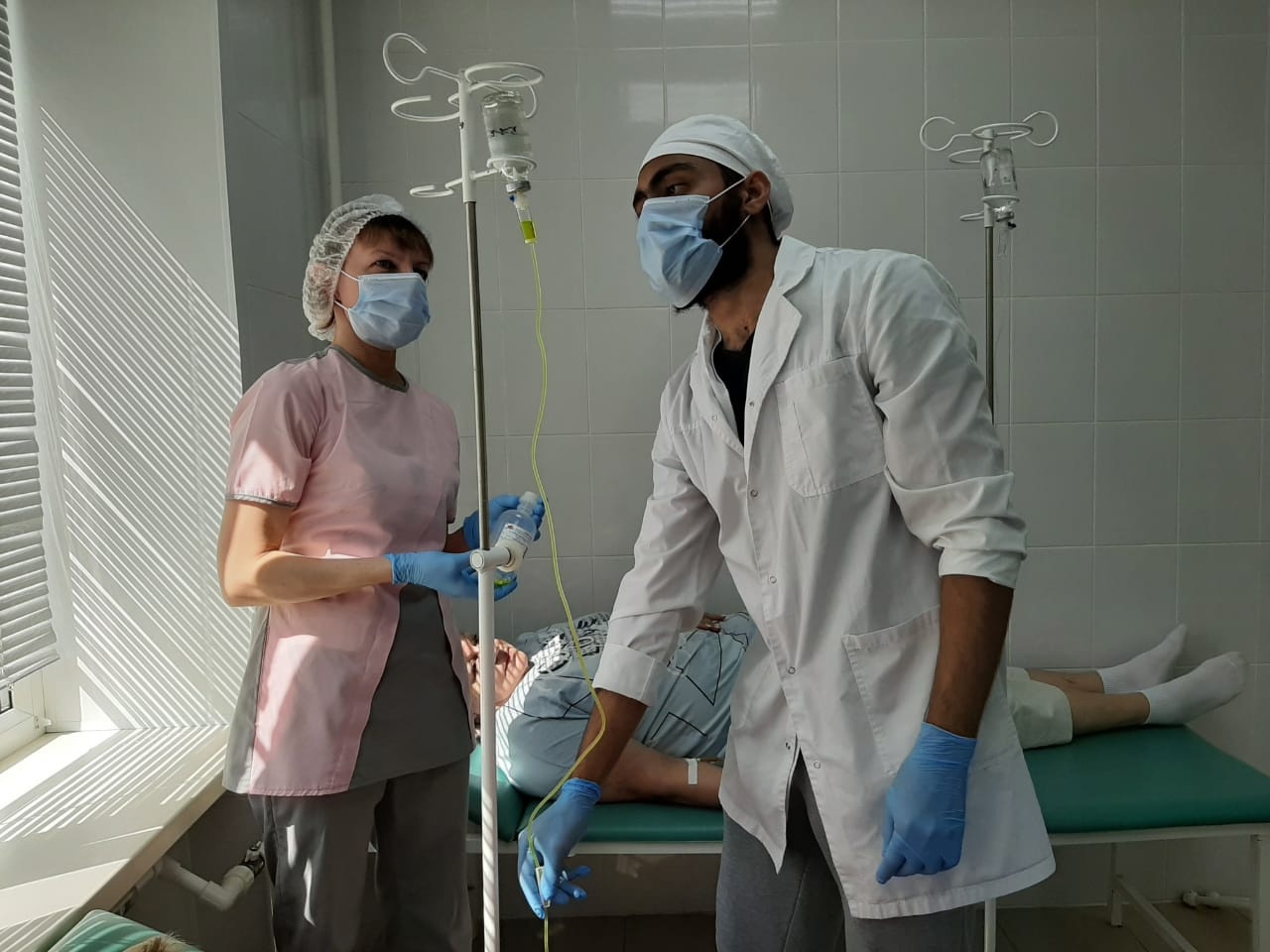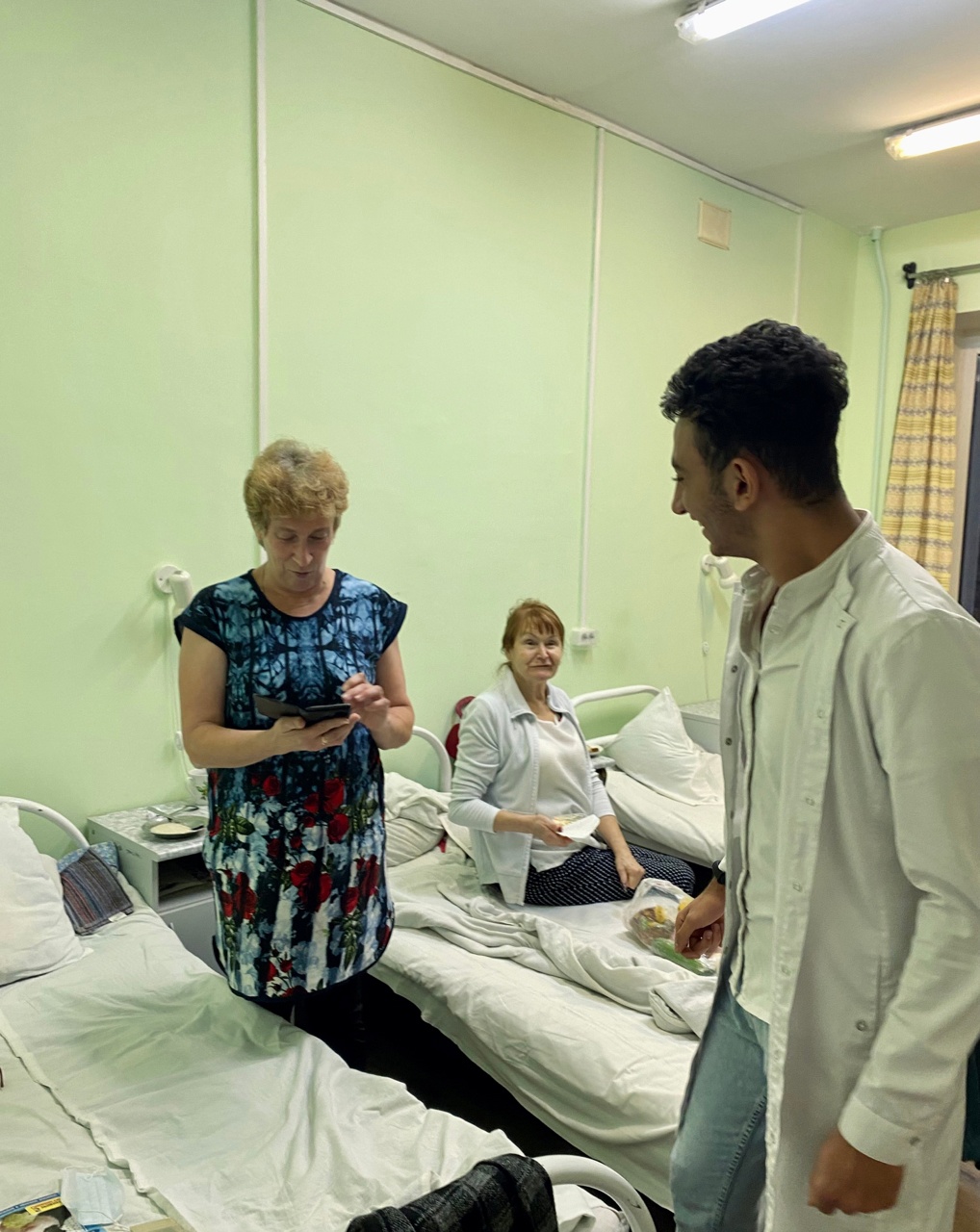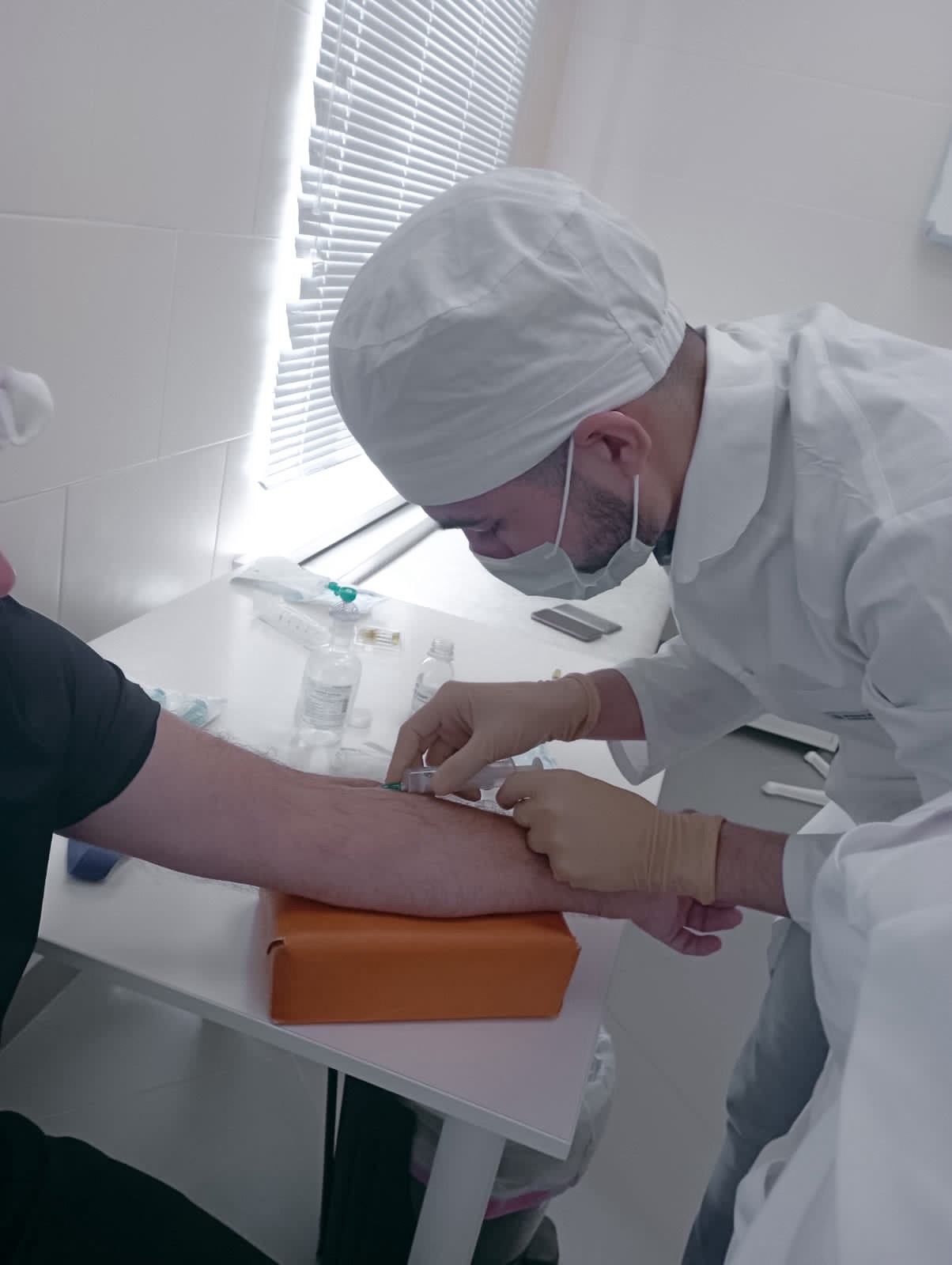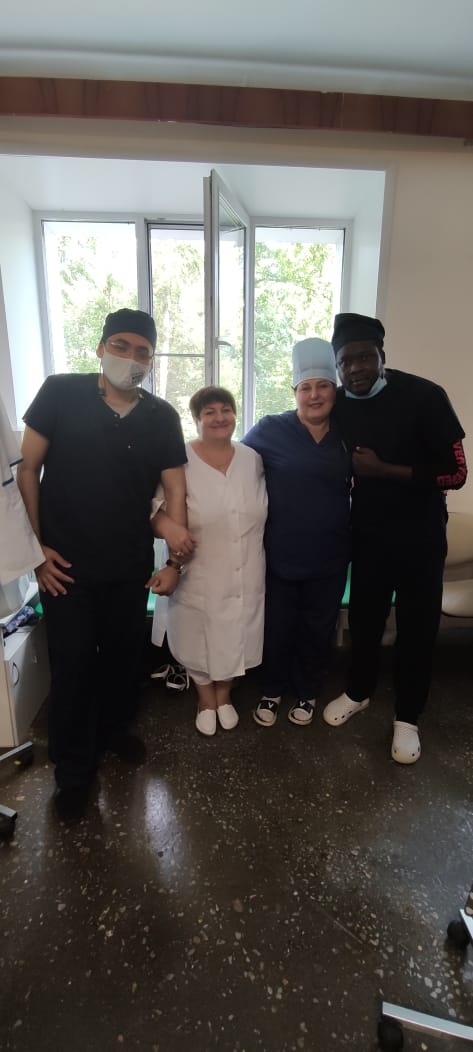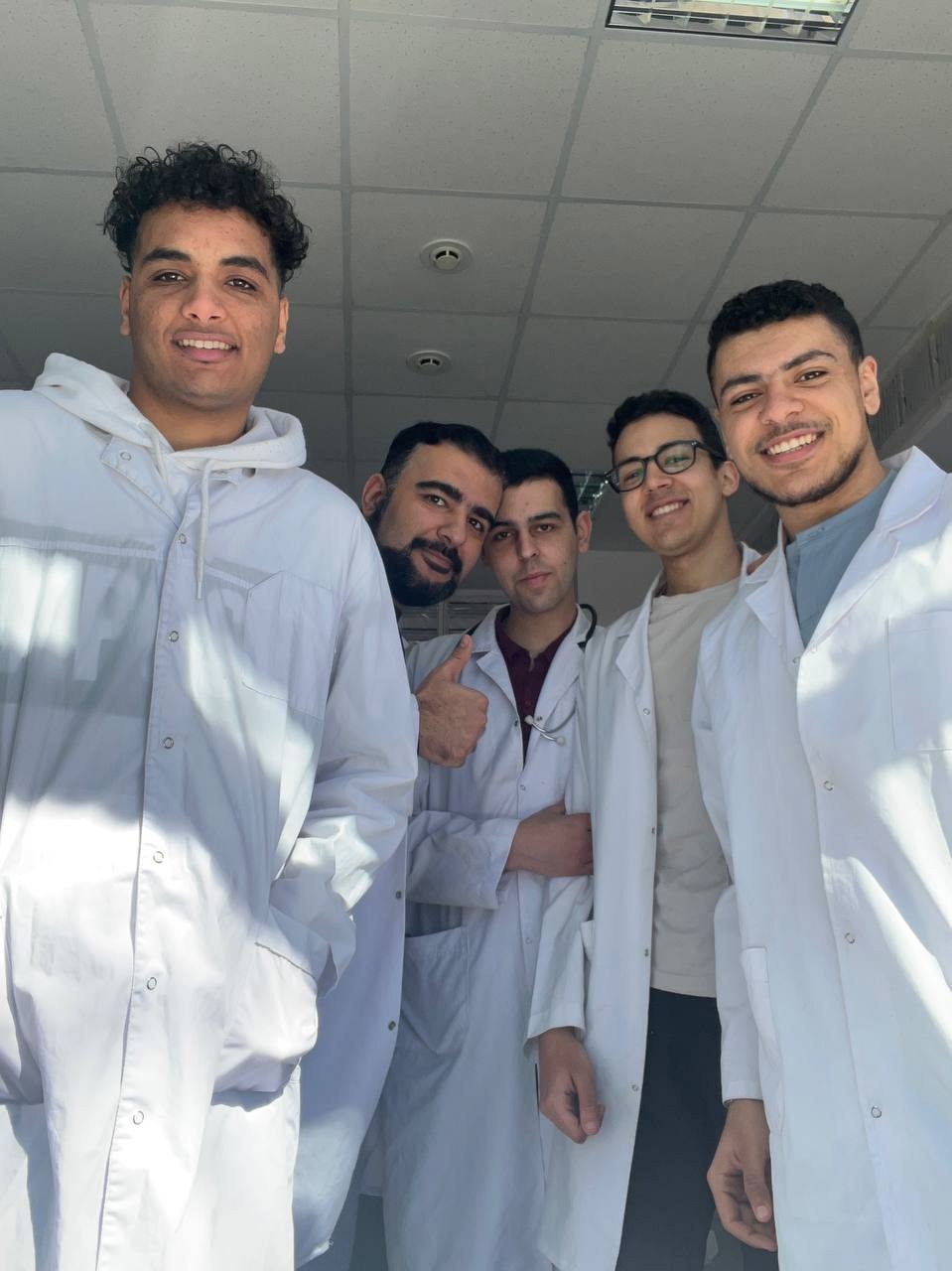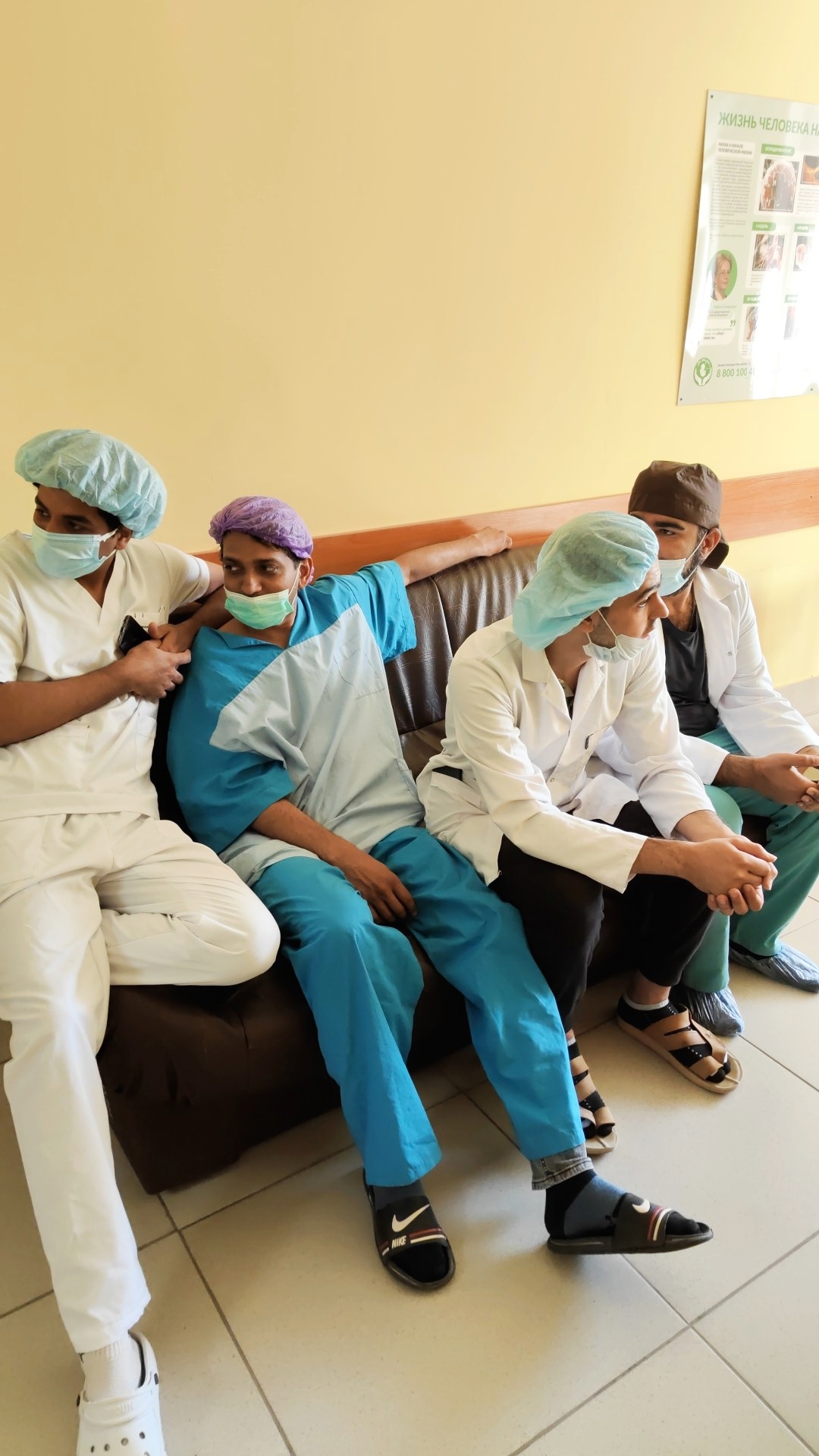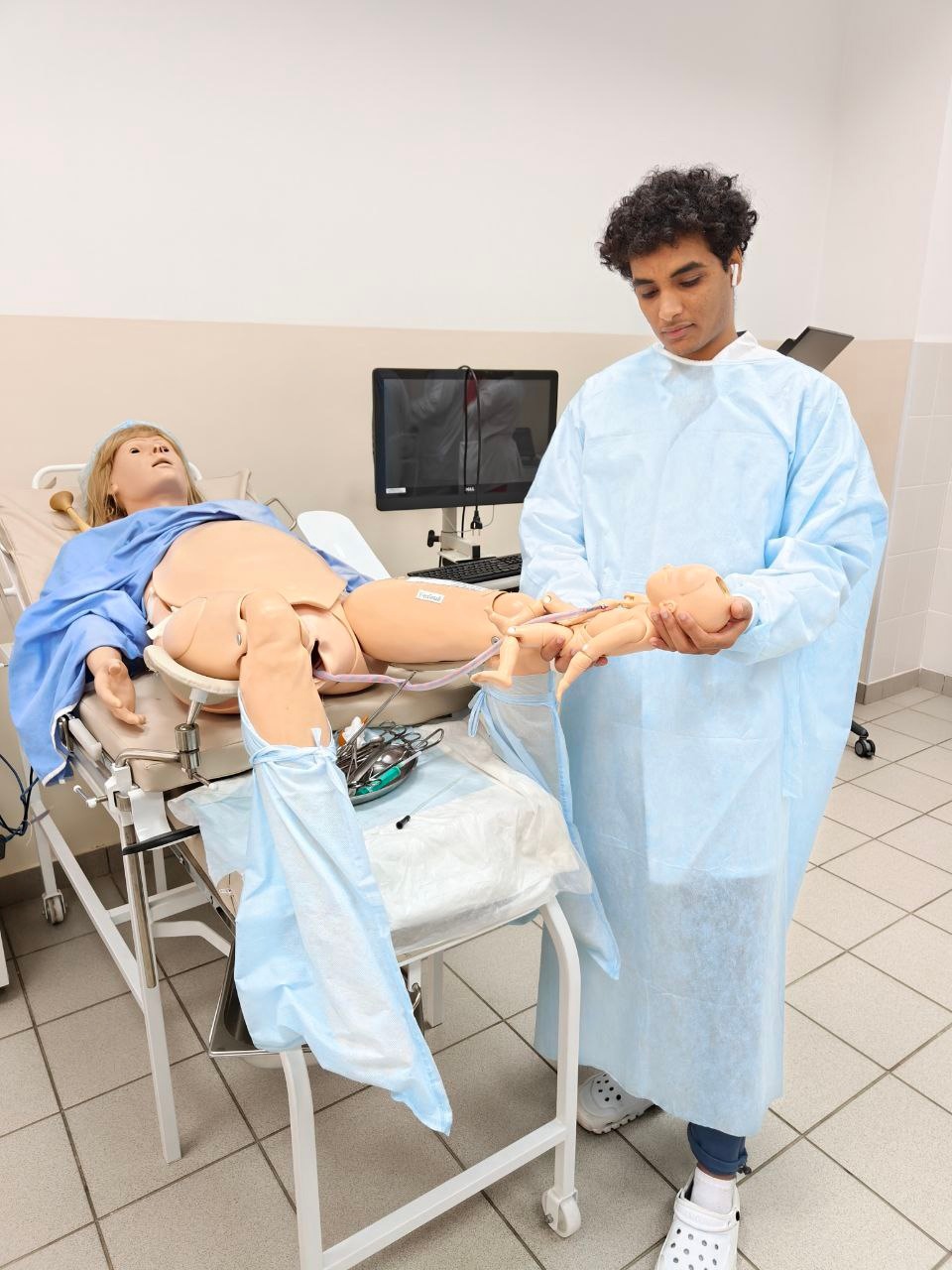
Since the first year of education in Kirov SMU, students must do the practical training in hospitals to gain professional experience in the medical sphere.
Initially, students get acquainted with the healthcare system of Russia and the way hospitals work here. In the next practical trainings, students obtain new practical skills at different positions of the medical staff. During practical training, students fill out journals in which they describe all the manipulations they perform, write reports, conduct educational work with patients in the hospitals.
Department of Practical Training and Employment of Graduates is responsible for the practical traininf of students and performs the following functions:
● cooperates with enterprises and organisations on the issues of employment of graduates and internships of students of Kirov State Medical University
● informs students about practical trainings
● organises meetings of students with employers
● informs students about profile vacancies
Staff of the department:
Elena Aleksandrovna Bandur – head of Careers Centre
(e-mail: bandur@kirovgma.ru)
Maria Igorevna Vylegzhanyna - head of academic and practical training (umo3@kirovgma.ru)
Maria Mikhaylovna Kulikova - specialist (e-mail: trud@kirovgma.ru)
Diana Yuryevna Kikeyeva - specialist cstv@kirovgma.ru)
All students starting their practical training must have the examinations and vaccinations listed below:
Medical examination
Doctors
1. Dermatoveneorologist
2. Narcologist
3. Otorhinolaryngologist
4. Dentist
5. Psychiatrist
6. Gynecologist (for girls)
7. General practitioner
Laboratory tests and analysis
1. General blood test
2. Blood test for syphilis
3. Blood test for HIV
4. Blood test for hepatitis B and C
5. Blood test for typhoid fever
6. Urine test
7. Swab for Staphylococcus (from throat and nose)
8. Stool test for worm eggs (helminth eggs)
9. Stool bacterial culture (for screening of intestinal pathogen carriage)
For girls (mandatory)
10. Bacteriological test for flora (swab)
11. Cytological test for atypical cells (swab)
Instrumental examinations
1. Fluorography or chest X-ray in two projections (posteroanterior and right lateral)
2. Electrocardiogram (ECG)
3. Pelvic ultrasound – for women, not mandatory
Vaccination
- measles
- rubella
- diptheria
- poliomyelitis
- tetanus
- hepatitis B
Note that all the vaccinations should be done in accordance with WHO recommendations for routine immunisation (https://www.who.int/immunization/policy/immunization_tables/en/)